


Why Counterfeit Luxury Handbags, GWP, and VIP Gifts Are Everywhere Online
Why Counterfeit Luxury Handbags, GWP, and VIP Gifts Are Everywhere Online
If you’ve searched online for a luxury handbag, cosmetic pouch, or branded VIP gift, you’ve likely encountered dozens of unfamiliar websites offering products that look surprisingly legitimate. These listings often use official brand imagery, appear prominently in Google search results, and are priced just low enough to feel like a rare opportunity.
For many buyers, it seems like they’ve simply found a great deal. In reality, these listings are rarely accidental. They are part of a highly organized global counterfeit and gray-market ecosystem, one that has grown alongside online resale and social commerce.
Understanding why counterfeit luxury goods, GWP items, and VIP exclusives flood the internet helps consumers make safer purchasing decisions and highlights why professional third-party authentication has become essential in today’s luxury resale market.
The Real Reason Counterfeit Luxury Goods Flood the Internet
Counterfeit luxury listings are not designed to sell a single handbag or cosmetic pouch. They are built to operate at scale, generating traffic, harvesting consumer data, and moving counterfeit inventory efficiently.
Luxury brands are prime targets because they carry high trust, emotional value, and consistent search demand. Counterfeit networks exploit that demand using automation, SEO manipulation, and low-cost manufacturing.
According to the OECD, global trade in counterfeit and pirated goods accounted for an estimated $467 billion in 2021, representing roughly 2.3% of global trade, with luxury fashion among the most heavily impacted categories.
Search Engine Manipulation and Traffic Farming
Search terms like “Chanel classic flap,” “Louis Vuitton Neverfull,” or “Dior cosmetic pouch” signal high-intent buyers. Counterfeit networks create thousands of short-lived websites populated with scraped product listings designed to rank temporarily in search results.
These domains are disposable. Their purpose is to capture traffic, monetize quickly, and disappear before enforcement catches up.
The U.S. Department of Homeland Security has repeatedly warned that counterfeit networks exploit online marketplaces and standalone e-commerce sites. Enforcement struggles to keep pace with domain rotation and cross-border operations.
Payment and Personal Data Harvesting
Many counterfeit luxury websites are not true e-commerce businesses at all. Instead, they function as data collection operations. When buyers enter payment details, billing addresses, or contact information, that data can be stored, reused, or sold. In some cases, no product is ever shipped. In others, a low-quality counterfeit is sent to reduce chargebacks and prolong the site’s lifespan.
According to the Federal Trade Commission, online shopping scams are among the most frequently reported types of consumer fraud, with hundreds of thousands of cases involving non-delivery, fake retailers, or misleading e-commerce listings recorded each year (WDTV).
Drop Shipping Counterfeits at Scale
Some counterfeit sites do ship products, but what arrives is often a low-cost imitation produced for a fraction of the listing price. These operations rely on international fulfillment, shell entities, and intentionally difficult return policies.
Because even a small percentage of completed transactions can be profitable at scale, counterfeit networks are incentivized to keep expanding.
As Anastacia Black, Co-Founder of Real Authentication, explains, “Counterfeiters don’t need volume from one site, they need velocity across many. That’s why buyers see the same luxury listings reappear under different domains. The operation is built for scale, not longevity.”
Why GWP, Beauty Gifts, and VIP Items Are Everywhere
Luxury gift-with-purchase (GWP) items, beauty gifts, and VIP exclusives play a unique role in the counterfeit ecosystem.
The GWP Legitimacy Loophole
These items were never intended for retail sale. They often lack SKUs, serial numbers, or standardized packaging. Sellers exploit that ambiguity by framing inconsistencies as normal:
- “Boutique-only”
- “VIP exclusive”
- “Not available to the public”
This language discourages scrutiny and makes verification more difficult for the average consumer.
Lower Cost, Lower Risk Counterfeiting
Cosmetic pouches, mirrors, and small accessories are inexpensive to replicate and easy to distribute. According to Europol’s Intellectual Property Crime Threat Assessment, counterfeiters increasingly target lower-priced luxury accessories because they attract less suspicion while moving quickly through resale channels.
These items are often used to normalize poor craftsmanship and train buyers to accept lower quality as “expected.”
Mixing Authentic and Inauthentic Goods
Not every GWP listing is counterfeit. Some authentic items enter the resale market through employee misuse, influencer liquidation, or unauthorized distribution.
Counterfeit sellers intentionally mix real items with fake ones to establish credibility. One authentic listing can legitimize dozens of counterfeit products.
As Jenna Padilla, Co-Founder of Real Authentication, notes,“The most dangerous listings aren’t always the obvious fakes, they’re the ones blended into otherwise legitimate inventory. That’s why relying on assumptions instead of authentication is such a risk.”
Are Luxury GWP and VIP Items Actually Counterfeited?
Yes. These items are actively counterfeited and widely circulated online.
Because GWP and VIP items often vary by region or promotion and cannot always be verified through brand databases, counterfeiters rely on ambiguity to avoid scrutiny. An item that can’t be cross-referenced is not automatically authentic. It’s a risk factor, not reassurance.
How This Impacts the Luxury Resale Market
The widespread circulation of counterfeit and gray-market items erodes trust across the resale ecosystem.
- Buyers become conditioned to accept lower quality
- Counterfeit items are re-resold as “verified”
- Legitimate sellers face increased skepticism
Over time, confidence declines, hurting both consumers and reputable resale platforms.
Why Authentication Matters More Than Ever
Lower-priced luxury items are often assumed to be safer purchases. In reality, they are among the most frequently counterfeited and hardest to verify without professional expertise.
Third-party authentication protects buyers, sellers, and the long-term integrity of luxury resale.
At Real Authentication, every item is reviewed by highly trained authentication experts and analyzed using proprietary technology, covering 170+ luxury brands across handbags, accessories, apparel, jewelry, and more.
Frequently Asked Questions
Can luxury gift-with-purchase items be fake?
Yes. These items are frequently counterfeited due to low production cost and limited brand documentation.
Are VIP luxury gifts authentic by default?
No. “VIP” language is often used to discourage verification and explain inconsistencies.
Why are fake luxury handbags listed on so many websites?
They are used to generate search traffic, harvest consumer data, and sell counterfeits at scale.
Authenticate Before You Buy or Sell
If you’re unsure about a luxury item, don’t rely on assumptions or seller claims. Professional authentication protects your investment, your reputation, and the integrity of the resale market.
Real Authentication only authenticates items that meet strict criteria, pieces where our experts can reach a high degree of certainty based on consistent materials, construction, markings, and verified production standards. Some promotional, beauty, or gift-with-purchase items may fall outside those standards, and we believe transparency is essential when certainty isn’t possible.
Before buying or reselling luxury goods, choose an authentication service that prioritizes accuracy over volume. Learn more about what we authenticate here.
Authenticate with confidence through Real Authentication, where expert analysis and proprietary technology work together to deliver clarity you can trust. Click here to get started.
Sources
Disclaimer: Real Authentication is a 3rd party authentication service and is in no way affiliated with the brands it services.
About Real Authentication: Real Authentication’s mission is to provide individuals, dealers, and global brands with unparalleled confidence and peace of mind by leveraging our deep expertise and years of experience to deliver the most trusted and accurate luxury goods authentication service available. Follow this blog for more industry news, tips to spot counterfeits, and more! You can also connect with us on social media on Facebook, Instagram, TikTok, Pinterest, and LinkedIn.
Need Expert Authentication?
Our user-friendly process lets you receive authentication in as little as 1 hour from anywhere in the world.
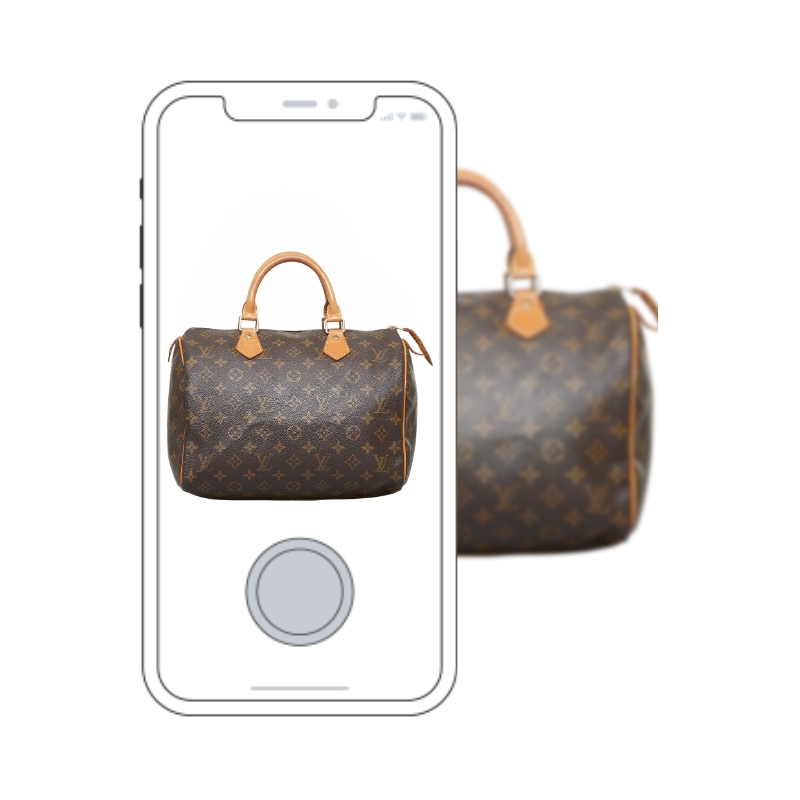
1. Upload Your Photos
Simply upload images showing your product—anything from luxury handbags to clothing, shoes, and more.
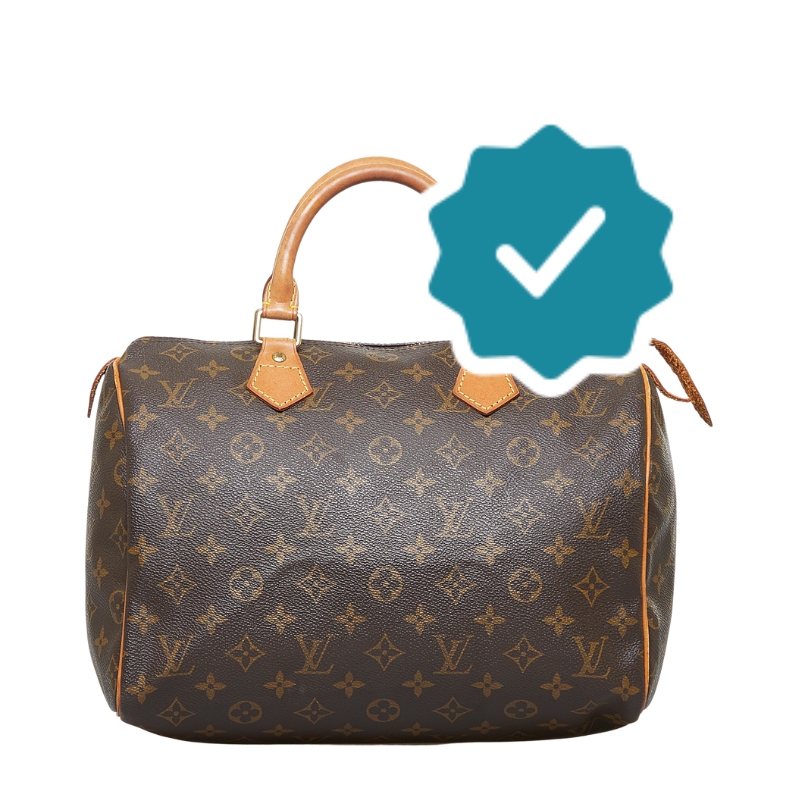
2. Product is Verified
Two or more expert luxury authenticators typically review each product. Orders stay in your account for future reference. Added layers of AI technology and Quality assurance help to ensure accuracy prior to approval.
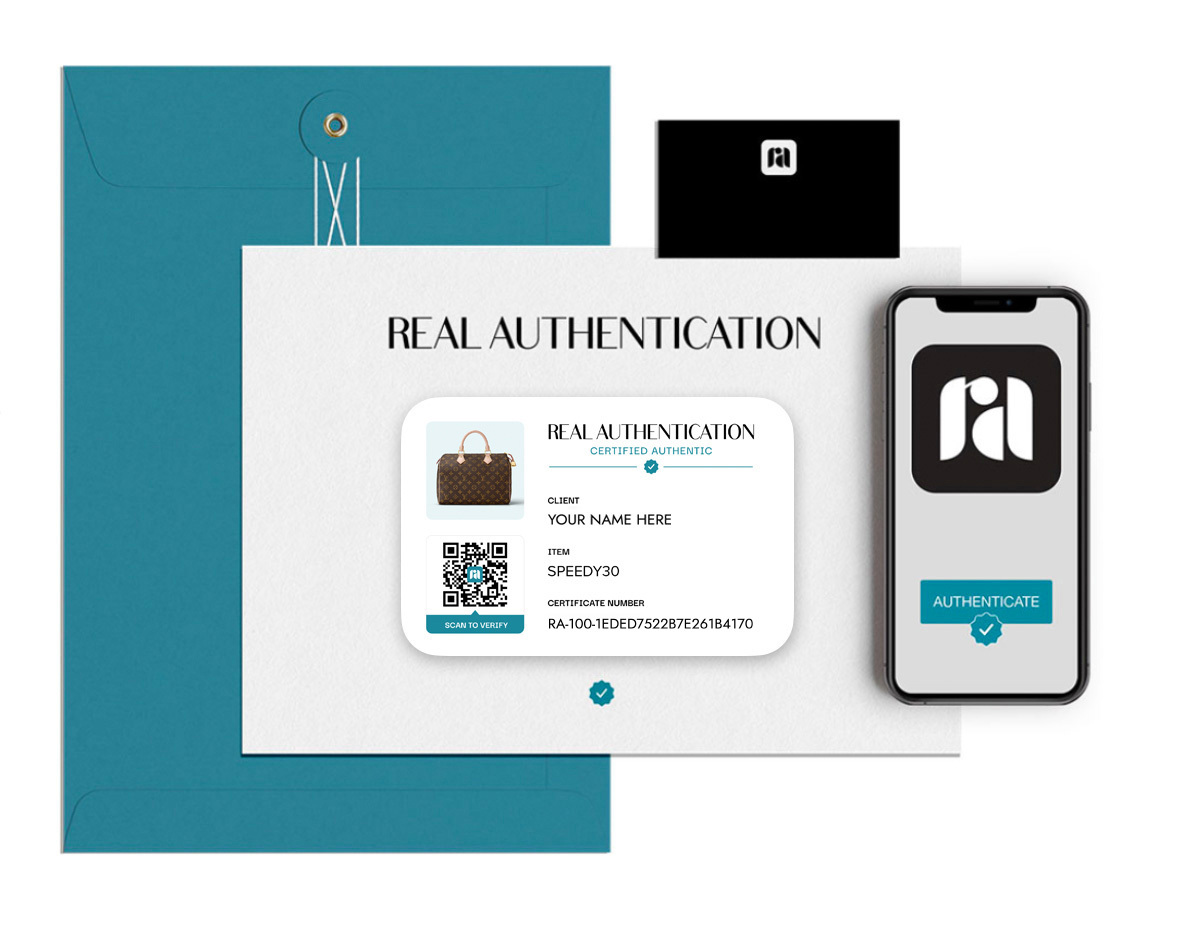
3. Get Certification
Instantly receive electronic certification. Upgrade your order at any time to receive official documentation—from Authenticity Cards to Written Statements.
 English
  Portuguese
  Chinese (China)
  Chinese (Taiwan)
  French
  German
  Hindi
Hindi  Japanese
  Russian
  Korean
  Spanish